
Making a valid will in WA: the legal requirements
By Mei Nair · Updated 2026-08-01
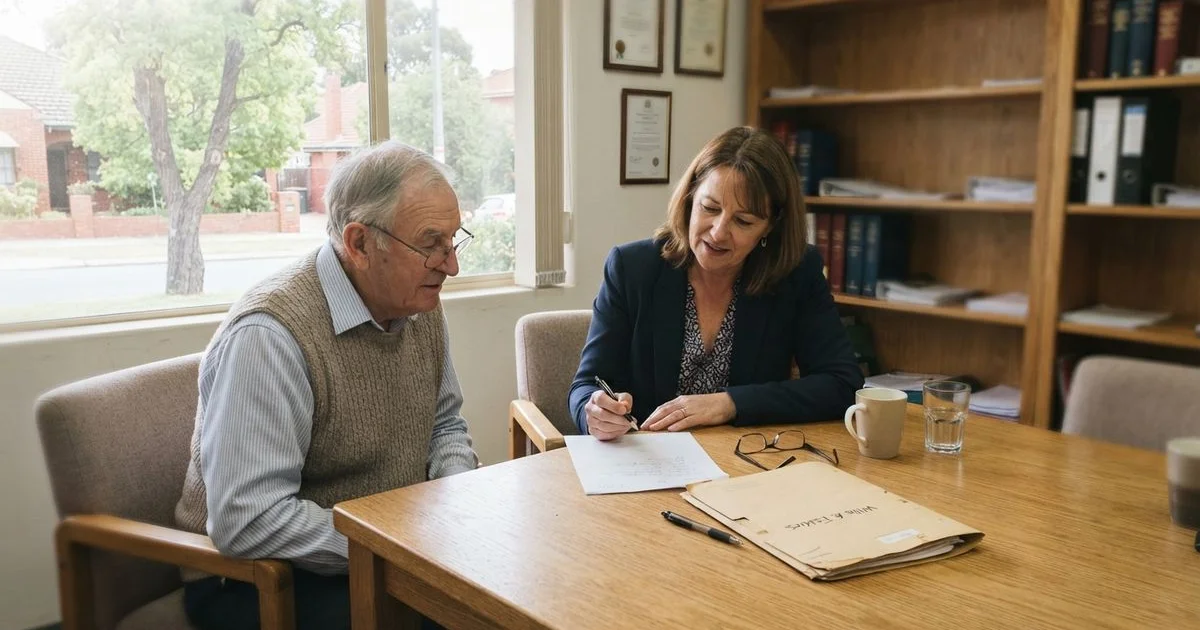
A will is one of those documents people put off writing because it feels like something for “later.” The problem is that getting it wrong, or not having one at all, creates real complications for the people you leave behind, usually at the worst possible time.
The basic legal requirements
For a will to be valid in Western Australia, it generally needs to meet several formal requirements: it must be in writing, made by someone with the mental capacity to understand what they’re doing, signed by that person, and signed by witnesses in the way the law requires. Missing any of these can mean the will is challenged or found invalid, sometimes years after it was written, when it’s too late to fix.
Where DIY wills commonly go wrong
DIY will kits aren’t automatically invalid, but they’re a common source of problems because the person completing them doesn’t always realise how specific the requirements around signing and witnessing are, or how ambiguous wording can create unintended results. A gift described imprecisely, an outdated reference to an asset you no longer own, or a missed signature can undo careful intentions.
| Common issue | Why it causes problems |
|---|---|
| Incorrect signing or witnessing | Can make the entire will invalid regardless of its content |
| Vague or contradictory wording | Leaves room for dispute about what was actually intended |
| Not accounting for all dependants | Can lead to a family provision claim against the estate |
| Not updating after a major life change | Marriage can revoke an earlier will; divorce affects some provisions |
| No provision for a backup executor | Creates delay if the named executor can’t act |
Capacity and undue influence
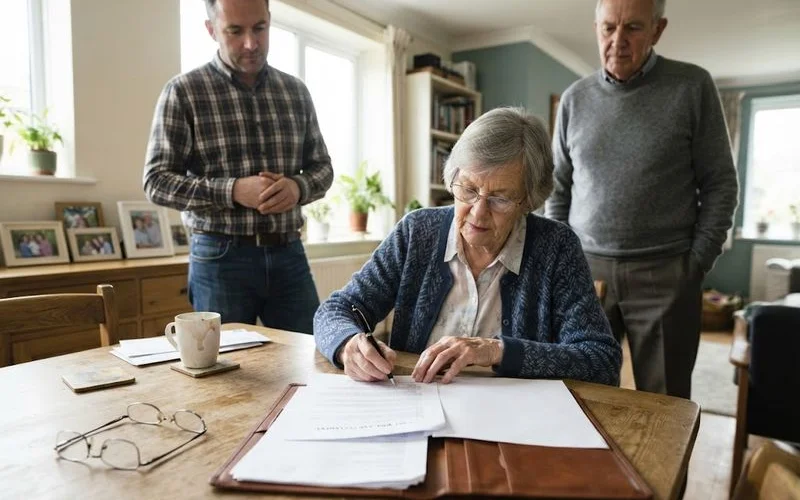
A will can be challenged on the basis that the person didn’t have the mental capacity to understand what they were signing, or that they were pressured by someone else into making particular provisions. These challenges are more likely to succeed, or even be raised at all, when a will was made without independent legal advice, particularly if it was drafted shortly before death or under unusual circumstances.
What a lawyer actually adds
Beyond just getting the formalities right, a lawyer drafting a will can ask questions you might not think to consider: what happens if a beneficiary dies before you, how blended family arrangements should be handled, whether a trust structure makes sense for young beneficiaries, and how to minimise the chance of a successful challenge later. These questions matter more the more complex your family or asset situation is.
Choosing an executor
The person you name as executor will be responsible for carrying out your wishes, which is a genuine responsibility rather than a symbolic title. Consider someone organised, willing to take it on, and likely to still be able to act when the time comes, which is why many people name an alternate executor as well. It’s worth asking the person directly before naming them, since being an executor involves real time and administrative work. Our guide on probate and estate administration after a death in WA walks through what that work actually involves once the time comes.
Storing your will safely
A valid will is only useful if it can be found when needed. Let your executor know where the original is kept, whether that’s with your lawyer, in a safe at home, or with a relevant WA authority that offers will storage. A will that exists but can’t be located, or that only exists as an old, superseded copy someone finds by accident, can cause exactly the kind of confusion and dispute a will is meant to prevent.
Keeping it current
A will made ten years ago may no longer reflect your actual wishes or family circumstances. Marriage generally revokes an earlier will automatically, and divorce can affect certain provisions without revoking the whole document. Reviewing your will after any major life change, and periodically even without one, keeps it aligned with what you’d actually want.
This is general information about the legal requirements for a valid will in WA and isn’t advice on your personal estate planning. You can compare wills and estate planning lawyers in Perth and see how firms are assessed in our methodology. Visit the Perth Legal Guide homepage for other practice areas.
FAQ
- Can I write my own will without a lawyer?
- Yes, it's legally possible, but WA has specific formal requirements for a will to be valid, and DIY will kits are a common source of disputes and administration problems if they're not completed correctly. For anything beyond the simplest circumstances, professional drafting reduces real risk.
- What makes a will invalid in WA?
- Common issues include not being properly signed and witnessed according to legal requirements, unclear or contradictory wording, evidence the person lacked capacity when it was made, or evidence of undue pressure from someone else. Any of these can lead to a will being challenged or found invalid.
- Do I need to update my will after a major life event?
- Generally yes. Marriage, divorce, the birth of a child, or a significant change in assets are all common triggers to review and often update a will, since some of these events can affect an existing will's validity or its practical effect.
- What happens if I die without a valid will in WA?
- Your estate is distributed according to a fixed legal formula rather than your own wishes, which may not reflect what you would have chosen, particularly for blended families, unmarried partners, or specific gifts you intended to make.
Related on this site
- Browse wills & estate planning providers
- Best wills & estate planning in Perth Metropolitan →
- Helping an aging parent with a will and power of attorney in Perth
- Probate and estate administration after a death in WA
- De facto relationships and property rights in WA
- Spent convictions and criminal record checks in WA
- All guides →