
Helping an aging parent with a will and power of attorney in Perth
By Mei Nair · Updated 2026-08-02
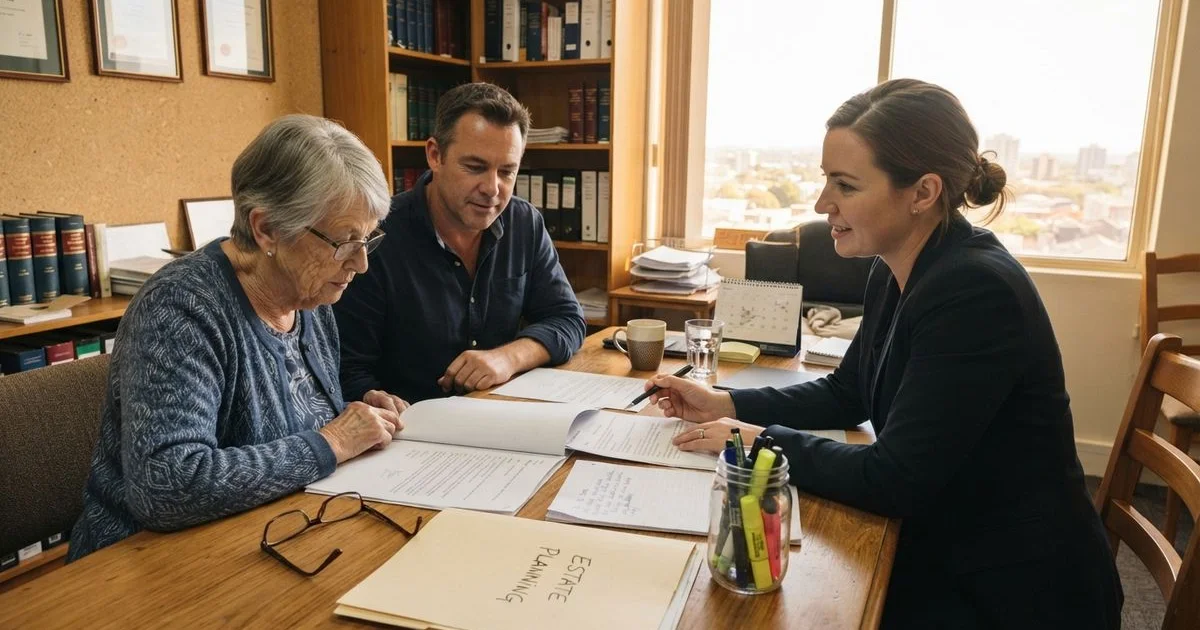
Bringing up wills and powers of attorney with an aging parent is a conversation most adult children put off, often because it feels like admitting something none of you want to face. It doesn’t have to be a heavy conversation, and having it early, while your parent has full capacity to make these decisions, protects everyone involved.
Why this matters more than it might seem
Without a valid will, an estate is distributed according to a fixed legal formula rather than your parent’s actual wishes. Without a power of attorney, if your parent later becomes unable to manage their own affairs, no one, not even a spouse or adult child, automatically has legal authority to step in and manage their finances or make decisions on their behalf, and a more difficult and drawn-out legal process may be required instead.
The two documents worth prioritising
- A will. Sets out how your parent’s estate should be distributed, and names an executor to carry that out.
- An enduring power of attorney. Authorises someone your parent trusts to make financial and property decisions on their behalf if they’re no longer able to.
Some people also consider a guardianship arrangement, which relates to personal and lifestyle decisions rather than financial ones, and works alongside a power of attorney rather than replacing it.
Starting the conversation
| Approach | Why it tends to work |
|---|---|
| Frame it as protecting their wishes, not planning for decline | Keeps the focus on control, not loss |
| Use a neutral trigger, like a friend’s situation | Makes the topic feel less personal and confrontational |
| Suggest a professional handle the details | Removes pressure from the family conversation itself |
| Keep the first conversation short | Avoids overwhelming a topic that can be revisited |

Timing matters more than most families realise
These documents require the person making them to have the mental capacity to understand what they’re signing. If that capacity is already declining, whether from dementia or another condition, the window to put these documents in place properly can close. This is one of the strongest reasons to raise the topic while your parent is still clearly able to make these decisions themselves, rather than waiting until a health scare forces the issue.
If your parent resists the conversation
It’s common for an initial suggestion to be brushed off, sometimes more than once. Rather than pushing hard in one conversation, it can help to mention it, let it sit, and return to it later, perhaps alongside a specific prompt like an upcoming birthday, a health check-up, or a friend’s experience. Some parents respond better to a private conversation with a solicitor than to a conversation led by their own children, since it removes any sense that a family member is trying to influence the outcome.
What happens without these documents in place
If a parent loses capacity without a power of attorney already in place, family members typically need to apply through a more formal legal process to gain authority to manage that person’s affairs, which takes longer, costs more, and is less certain in outcome than an enduring power of attorney arranged in advance.
What to bring to the appointment
If your parent agrees to see a lawyer, help them gather the basics beforehand: a rough list of assets, details of existing accounts, and the names of people they’d want as executor, attorney, or beneficiaries. Having this ready makes the appointment more productive and less overwhelming than trying to recall everything on the spot in an unfamiliar setting.
Getting professional help
A lawyer experienced in wills and estate planning can guide the conversation in a way that feels less personal than a family discussion, explain the options clearly to your parent directly, and make sure the documents reflect their actual wishes and meet WA’s legal requirements. This is general information, not advice on your family’s specific circumstances.
You can compare wills and estate planning lawyers in Perth and see how firms are assessed in our methodology. Visit the Perth Legal Guide homepage for other practice areas.
FAQ
- How do I bring up estate planning without upsetting my parent?
- Framing it as protecting their wishes rather than planning for the worst tends to land better. Many people find it easier to raise after a friend, relative, or public event makes the topic feel less personal and more practical.
- What's the difference between a will and a power of attorney?
- A will only takes effect after death and deals with how an estate is distributed. A power of attorney takes effect while someone is alive and authorises another person to make financial or personal decisions on their behalf, typically if they become unable to make those decisions themselves.
- Can I make these decisions for my parent if they already have dementia?
- Generally no, not through a power of attorney, since that document requires the person granting it to have the mental capacity to understand what they're signing at the time. If capacity has already been lost, a different, more formal legal process is usually needed instead.
- Should each parent have their own documents, or can they share?
- Each person generally needs their own will and their own power of attorney, even in a long-term couple, since these documents relate to that individual's assets, wishes, and decision-making authority specifically.