
Probate and estate administration after a death in WA
By Mei Nair · Updated 2026-08-03
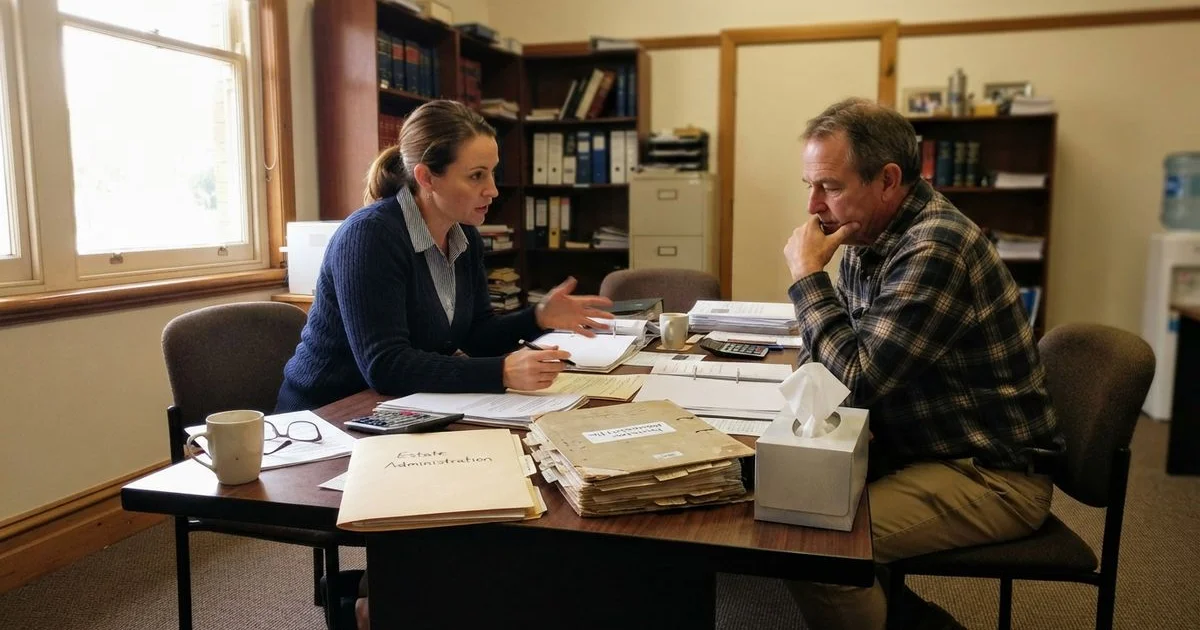
Dealing with a loved one’s estate while grieving is genuinely difficult, and the legal terminology doesn’t help. This is general information about how probate and estate administration typically work in WA, not advice on a specific estate, since individual circumstances vary considerably.
What probate actually is
Probate is the court process that formally confirms a will is valid and authorises the named executor to administer the estate, meaning they can legally deal with the deceased person’s bank accounts, property, and other assets. Not every estate needs it. Whether probate is required generally depends on the types of assets involved and how they were owned.
When probate is typically needed
- The deceased owned property solely in their own name
- Financial institutions holding significant funds require formal proof of the executor’s authority
- The estate includes assets that can’t be transferred without a court-issued grant
Jointly owned property and some jointly held accounts can sometimes pass directly to a surviving co-owner without probate, which is why smaller or simpler estates don’t always require the full process.
The general order of administration
| Stage | What typically happens |
|---|---|
| Locate the will and identify the executor | Confirms who has authority to act |
| Apply for probate, if required | Formal court process confirming the will’s validity |
| Notify asset holders and settle debts | Banks, creditors, and relevant authorities are notified |
| Value and manage estate assets | Property, investments, and other assets are assessed |
| Distribute to beneficiaries | Assets are transferred according to the will’s terms |
Each stage can take longer than expected, particularly notifying institutions and waiting for formal responses, so it’s reasonable to expect the full process to take months even for a relatively straightforward estate.
Without a will
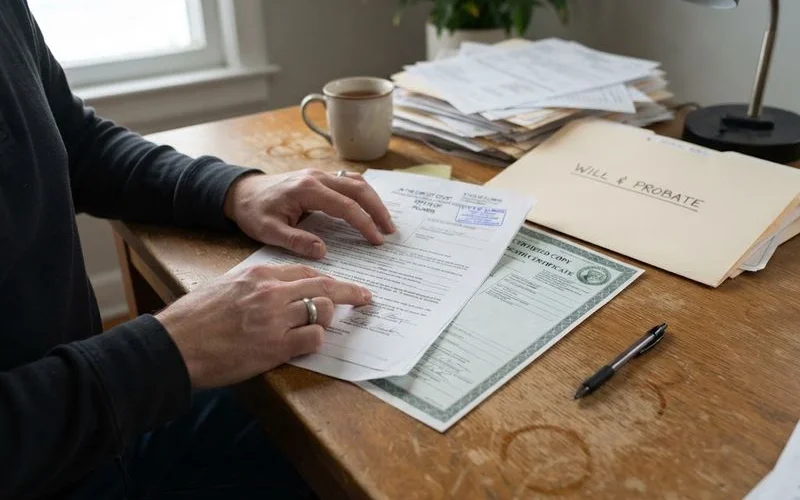
If someone dies without a valid will, their estate is distributed according to WA’s intestacy rules, a fixed legal order of who inherits, which may not reflect what that person would have wanted, particularly for blended families or long-term unmarried partners. A different grant, letters of administration, is generally needed instead of probate, and the process typically takes longer without a will to work from.
The executor’s role
Being named an executor is a genuine responsibility, not just an honour. It involves locating and valuing assets, paying valid debts before distribution, keeping proper records, and being personally accountable for how the estate is administered. Executors are entitled to get professional help, and for anything beyond a simple estate, most choose to.
If a dispute arises during administration
Disagreements sometimes surface during administration, whether that’s a beneficiary questioning how the estate is being managed, or someone considering a family provision claim on the basis they weren’t adequately provided for. These situations are separate from the standard administration process and often carry their own time limits, so if a dispute looks likely, raise it with the estate lawyer handling the matter as early as possible rather than waiting until distribution is imminent.
What beneficiaries can reasonably expect
If you’re a beneficiary rather than the executor, you’re generally entitled to be told you’re a beneficiary and to receive reasonable updates on the estate’s progress, though you don’t have a right to direct how the executor manages every decision along the way. If communication from an executor goes quiet for an extended period, it’s reasonable to ask for an update, and persistent silence can be worth raising with a lawyer if it continues.
When to get legal advice
If you’re an executor unsure where to start, a beneficiary with questions about the process, or someone considering challenging a will or making a claim against an estate, a wills and estate lawyer can explain your position and the realistic timeline involved. Time limits apply to some types of challenges, so it’s worth getting advice promptly rather than waiting. If you’re helping a parent put these documents in place before any of this becomes relevant, our guide on helping an aging parent with a will and power of attorney covers how to start that conversation.
This is general information about probate and estate administration in WA and isn’t advice on a specific estate. You can compare wills and estate planning lawyers in Perth and see how firms are assessed in our methodology. Visit the Perth Legal Guide homepage for other practice areas.
FAQ
- Is probate always required after someone dies?
- Not always. Whether probate is needed generally depends on what assets the person owned and how they were held. Some smaller estates or jointly held assets can pass without a formal grant of probate, while larger estates or those with property solely in the deceased's name usually require it.
- How long does the probate process take in WA?
- It varies considerably depending on the estate's complexity and whether the will is contested. A straightforward estate can take a few months from application to distribution, while a complex or disputed estate can take considerably longer.
- What if there's no will?
- The estate is administered under intestacy rules, which set out a fixed order of who inherits. A different form of grant, letters of administration, is generally required instead of probate, and the process typically takes longer without a will to guide it.
- Can I contest a will during probate?
- There are limited grounds and time limits for challenging a will or making a family provision claim against an estate, so getting advice quickly if you're considering this is important. This is a separate process from the standard administration of an estate.