
The family law process in WA: mediation, court and property settlement
By Mei Nair · Updated 2026-06-22
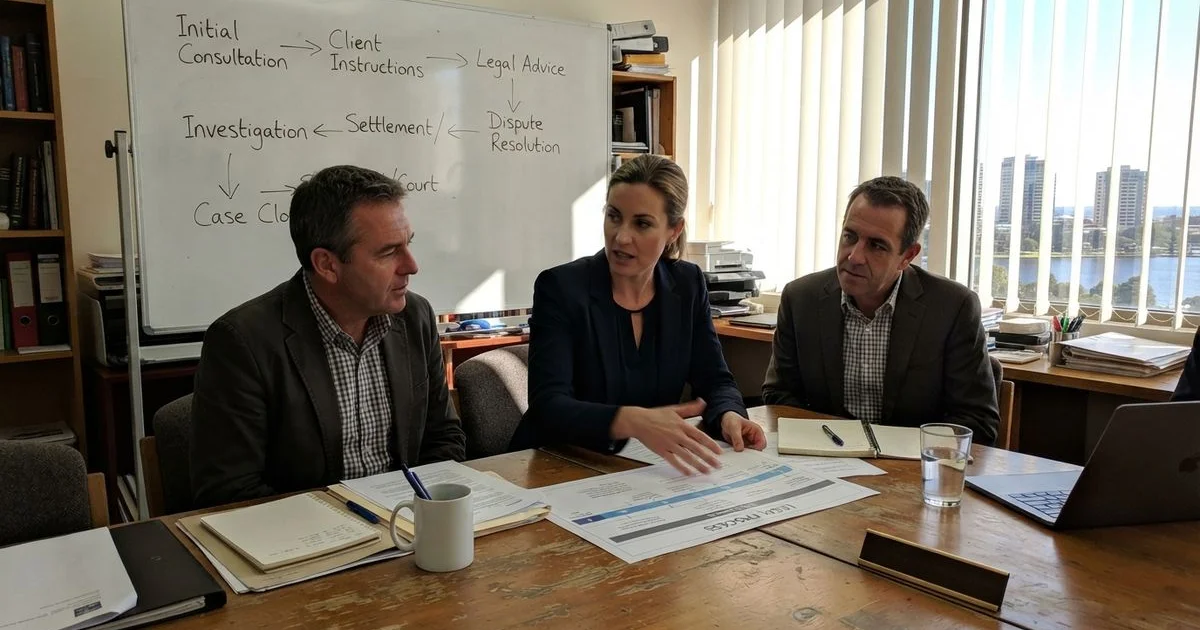
Family law can feel like a maze from the outside, mostly because most people only encounter it once and don’t know what stage they’re actually at. This is general information about how the process typically unfolds in Western Australia, not legal advice for your specific circumstances, since every matter has its own details that change the path.
Step one: working out what actually needs deciding
Before anything formal happens, most matters start with identifying what needs to be resolved: parenting arrangements, property division, or both. A lawyer’s first job is usually to help you separate what you’re emotionally upset about from what’s actually a legal issue that needs a decision.
Step two: negotiation and, usually, mediation
Most family law matters in WA are expected to attempt a negotiated resolution before heading to court. For parenting matters specifically, you generally need to attend family dispute resolution and get a certificate confirming you’ve genuinely tried, unless there’s a safety exemption. Property matters don’t carry the same formal requirement, but lawyers still push toward negotiated settlement first because it’s faster and cheaper than litigation for almost everyone involved.
Step three: formalising an agreement
If you reach agreement, it still needs to be made legally binding. For property, that usually means consent orders filed with the court or a binding financial agreement. For parenting, it means either consent orders or a parenting plan, with consent orders carrying more legal weight if either party wants to enforce it later. This step is where a lawyer earns their fee even in an agreed matter, because a poorly drafted agreement can cause problems years down the track.
Step four: court, if it comes to that
| Stage | What happens | Typical timing |
|---|---|---|
| Filing an application | Formal court paperwork setting out what’s in dispute | Weeks after mediation stalls |
| Interim hearings | Short-term orders while the matter is ongoing, especially for parenting | Within the first few months |
| Case assessment and conferences | Court-managed attempts to narrow or resolve issues | Ongoing through the matter |
| Final hearing | A judge decides unresolved issues | Can be well over a year from filing |
Only a small share of family law matters that start the court process end up at a full final hearing. Most settle at some point along the way, often because the cost and stress of continuing outweighs holding out for a marginally better outcome.

What actually changes the timeline
Complexity of assets, the level of conflict between parties, and how promptly both sides respond to requests for documents all affect how long a matter takes. Matters involving a business, overseas assets, or allegations that need to be assessed by the court tend to run longer regardless of how cooperative everyone tries to be.
If you can’t afford to keep negotiating
Cost is a real reason some matters push toward a faster resolution than either party would otherwise choose. If ongoing legal fees are becoming unsustainable, say so to your lawyer directly rather than letting the matter drift. A good lawyer will help you weigh whether holding out for a better outcome is genuinely worth the additional cost and time, or whether a reasonable settlement now serves you better than a marginally stronger one much later.
Working with a lawyer through the process
A good family lawyer will tell you early which stage you’re likely heading toward and won’t push you toward court if a negotiated outcome is realistic and achievable. Ask at each stage what the next step is, roughly how long it should take, and what would trigger moving to the next stage rather than staying where you are. That keeps you oriented even when the process itself feels slow.
This is general information about how family law matters typically proceed in Western Australia and isn’t a substitute for advice on your specific situation. You can compare family lawyers in Perth who handle matters at every stage of this process, and see how we assess and rank firms in our methodology. The Perth Legal Guide homepage is a good starting point if you’re still working out what kind of help you need.
FAQ
- Do I have to go to court to get divorced in WA?
- No. Divorce itself is a straightforward administrative application through the Family Court of Western Australia and rarely requires a court appearance. Court involvement usually relates to disputes over parenting or property, not the divorce itself.
- Is mediation compulsory before going to court?
- In most parenting matters, yes. You generally need to attempt family dispute resolution and obtain a certificate before you can file a parenting application in court, unless an exemption applies, such as family violence or urgency.
- How long does a property settlement usually take?
- Timeframes vary enormously depending on how much is agreed and how complex the assets are. A cooperative settlement can be finalised in a few months, while a contested matter that proceeds toward a hearing can take well over a year.
- Is Western Australia's family law system different from the rest of Australia?
- Yes, for de facto and married couples, family law matters are generally handled by the Family Court of Western Australia rather than the federal family court system that applies in other states. The underlying principles are similar, but always confirm the right jurisdiction with a WA-based family lawyer.
Related on this site
- Browse family law providers
- Best family law in Perth Metropolitan →
- Family law costs in Perth: what drives the price
- Parenting arrangements after separation: what WA law expects
- De facto relationships and property rights in WA
- How to choose a lawyer in Perth: what to look for and red flags to avoid
- All guides →